
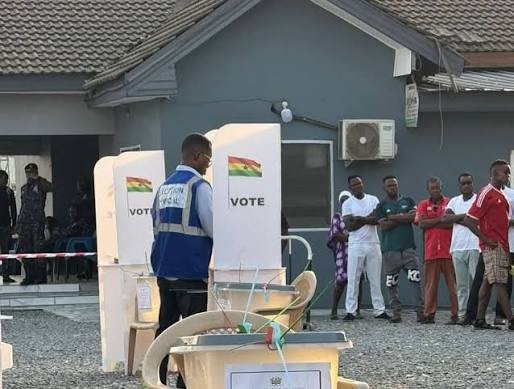
The Supreme Court has directed political parties in Ghana to move away from the delegate-based system of selecting presidential and parliamentary candidates, ruling that the practice violates constitutional principles.
In a 5-2 majority decision, the court ordered political parties to, within one year of the judgment, establish mechanisms that will allow all members in good standing to participate in internal elections to choose candidates for national elections.
The decision means political parties will now be required to review their internal electoral structures and introduce a system that gives ordinary members a direct role in determining presidential and parliamentary nominees.
For years, political parties have relied on the delegate system, where a limited number of accredited representatives vote during primaries on behalf of the wider party membership. Under the new directive, that arrangement must be replaced with a more inclusive process that allows eligible members to exercise their voting rights.
The ruling is expected to have major implications for the internal governance of political parties, particularly the country’s two largest parties, the National Democratic Congress (NDC) and the New Patriotic Party (NPP), which have traditionally used delegate conferences to select their candidates.
Political parties will now have to amend their constitutions, election guidelines and administrative procedures to ensure compliance with the Supreme Court’s directive before the expiration of the one-year timeline.
The judgment is likely to trigger discussions on the future of party democracy in Ghana, with proponents of broader participation arguing that opening primaries to all members will strengthen grassroots involvement in political decision-making.
However, political parties may also face logistical and financial challenges in implementing a system that requires managing a much larger electorate during internal elections.
Director of Legal Affairs of the NPP Gary Nimako Marfo after the decision questioned who will bear the cost of such elections.
“They are saying that everybody should vote, so who will pay the cost of their elections.”