
Compassion International Ends Eight-Year Maternal, Child Health Programme in Tongu Cluster

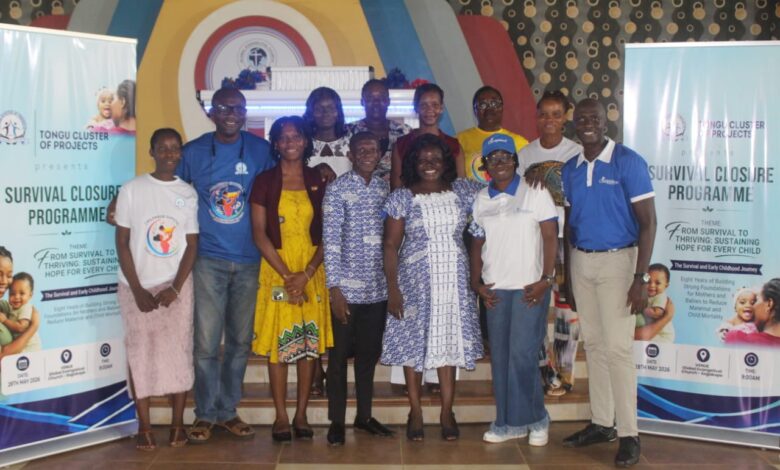
Compassion International Ghana has officially concluded its eight-year Survival and Early Childhood Intervention Programme in the Tongu Cluster, having supported 1,211 mothers, infants and caregivers with critical maternal and child health services across communities in the Tongu and Adaklu areas.
The programme, implemented in partnership with local churches and community stakeholders, sought to reduce maternal, newborn and child mortality while improving access to essential healthcare services during the first 1,000 days of a child’s life.
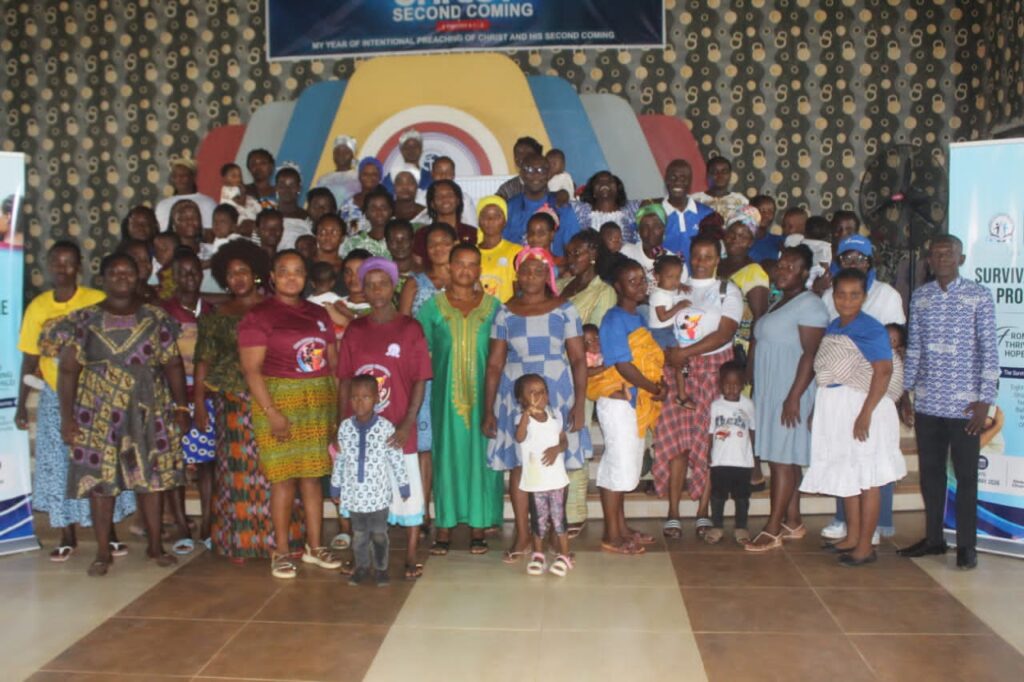
The closure ceremony, held at the Global Evangelical Church in Sogakope on the theme, “From Survival to Thriving: Sustaining Hope for Every Child,” brought together traditional authorities, health professionals, clergy, local government officials, caregivers and community volunteers.
Madam Esinam Agbador, former Project Director of the Mafi-Dove Child and Youth Development Centre and Chairperson of the occasion, described the intervention as transformative, noting that it had strengthened maternal healthcare delivery, improved child wellbeing and enhanced household resilience.
She said the programme had contributed to safer pregnancies, improved delivery outcomes and healthier child development, adding that its closure marked a transition rather than an end to support for beneficiary families.
“The end of the survival intervention does not signify the end of support for beneficiaries, but rather a transition into a more holistic phase of child development,” she stated.
Mr Richard Baku, Partnership Facilitator of Compassion International Ghana, said the initiative was launched in December 2017 to address persistent maternal and child health challenges, including poverty, malnutrition and limited access to quality healthcare.
He said the programme, which covered communities including Mafi Dove, Volo, New Bakpa, Mafi Gidikpoe, Mafi Kumase, Mafi Anfoe and Mafi Zongo, adopted an integrated approach combining healthcare delivery, nutrition support, caregiver education and child protection.
According to him, the intervention began with 65 mothers and 55 babies and expanded over the years to reach 1,211 beneficiaries.
Mr Baku noted that the programme also incorporated economic empowerment interventions, with 226 caregivers benefiting from apprenticeship and skills development initiatives aimed at improving household incomes and family wellbeing.
He called for stronger collaboration among churches, traditional leaders, the Ghana Health Service and local government authorities to sustain the gains achieved, strengthen male involvement in childcare and deepen community-based maternal health support systems.
Mr Matthew Adam, Central Tongu District Director of Health Services, underscored the need for a coordinated multi-sectoral response to address persistent maternal and child health challenges.
He identified teenage pregnancy, malnutrition, malaria, anaemia among pregnant women, poor health-seeking behaviour and inadequate access to quality healthcare as key concerns requiring sustained attention.
Mr Adam further stressed the importance of tackling the “four delays” in maternal healthcare—delays in seeking care, transportation challenges, shortages of skilled health personnel and referral bottlenecks—to reduce maternal and neonatal mortality.
He commended Compassion International Ghana and its implementing partners for their significant contribution to improving maternal and child health outcomes in the district.
Delivering remarks on behalf of Compassion International Ghana, Madam Rashidatu Iddrisah, Manager of Programme Support, reaffirmed the organisation’s commitment to holistic child development and strengthened community health systems.
She said the programme was deliberately designed to protect mothers and children during the critical first 1,000 days of life and had evolved over the years to include nutrition education, caregiver empowerment, child protection and economic strengthening interventions.
Madam Iddrisah commended local churches, health workers and community stakeholders for their dedication, describing the achievements recorded under the programme as evidence of the impact of sustained partnerships.
Mama Drapey III, Queen Mother of Mafi Adidome, highlighted the importance of maternal health and healthy living in building strong families and communities.
She advocated quality prenatal care, skilled delivery services, comprehensive postnatal support and family planning, while encouraging healthy lifestyle practices such as balanced nutrition, regular physical activity and avoidance of alcohol, tobacco and illicit drugs.
She called on parents, health professionals, traditional leaders and development partners to sustain the progress achieved and work collectively towards securing a healthier future for children and generations yet unborn.
The ceremony served as both a celebration of the programme’s achievements and a renewed call for stakeholders to sustain the gains made in maternal and child health across the beneficiary communities.
Story by Mr Attipoe Benjamin