


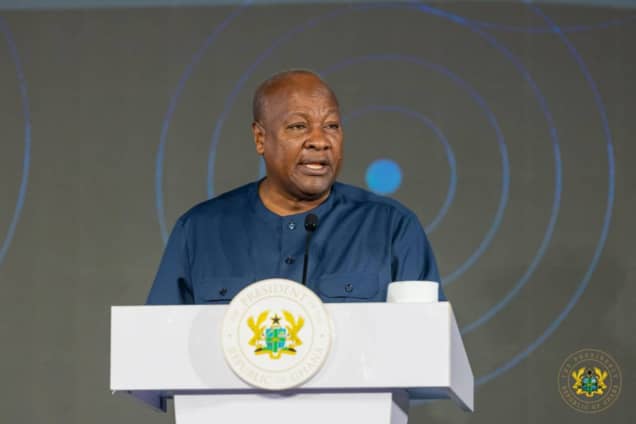
The government has directed the removal of some taxes and levies on petroleum products as part of urgent measures to cushion consumers against rising fuel prices at the pumps.
The decision, according to available reports to the media, there are increasing pressure from industry players and transport operators over the continuous surge in fuel prices driven largely by global market conditions and domestic cost factors.
The move is expected to provide immediate relief to consumers, as taxes form a significant component of fuel pricing in Ghana.
Authorities believe that reducing or removing selected levies will help lower ex-pump prices and ease the financial burden on households and businesses.
This intervention comes at a time when fuel prices have been climbing steadily, with some pricing windows recording sharp increases due to global crude oil price volatility and exchange rate pressures.
Recent developments in the international oil market, including geopolitical tensions and supply disruptions, have contributed to higher fuel costs worldwide.
In Ghana, these increases have been further compounded by taxes and levies embedded in the price build-up of petroleum products.
Industry stakeholders, including the Chamber of Petroleum Consumers (COPEC) and transport unions, have consistently called on government to review or scrap certain fuel taxes to mitigate the impact on consumers.
Transport operators have particularly warned that persistent increases in fuel prices could lead to higher transport fares, with ripple effects on the cost of goods and services.
However, analysts caution that the extent of the price reduction will depend on global oil price trends and the stability of the Ghana cedi.
While the policy is expected to benefit consumers, it also raises concerns about potential revenue shortfalls for government, as fuel taxes contribute significantly to national income, particularly for the energy sector.
Despite this, officials say the decision reflects a balance between revenue generation and protecting citizens from economic hardship.
The directive signals government’s willingness to intervene in the fuel pricing structure during periods of economic strain.
Stakeholders are expected to monitor the implementation closely to ensure that the benefits are passed on to consumers at the pumps.
As global uncertainties persist, many are calling for longer-term solutions to stabilise fuel prices and reduce Ghana’s vulnerability to external shocks.
Story by: Philip Kendriz Elikem