
Development expert outlines blueprint to operationalise 24-hour economy, tackle youth unemployment

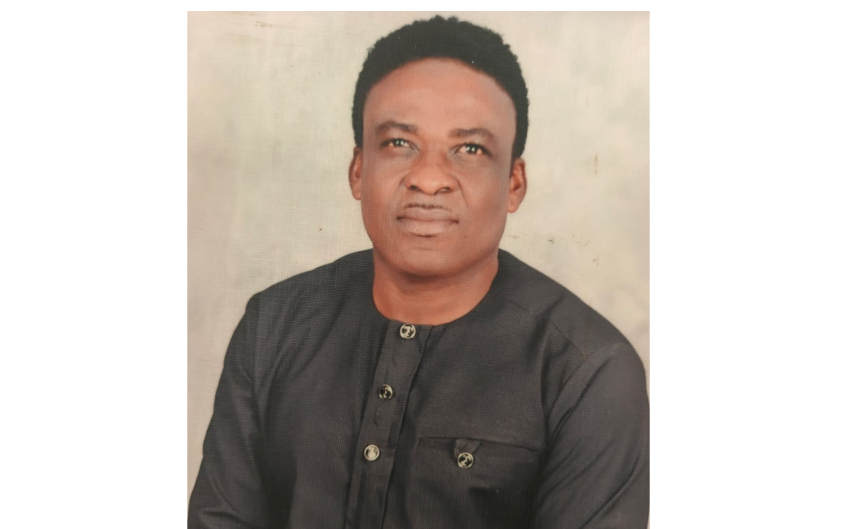
Mr Confidence E. Abotsi, a Development and Management Practitioner, has outlined a blueprint for operationalising Ghana’s 24-hour economy through Local Economic Development (LED), entrepreneurship and resource-based industrialisation to create sustainable employment.
In an exclusive interview with the Ghana News Agency, he said the success of the 24-hour economy would depend on translating national policies into productive economic activities at the local level, particularly by developing local resources, strengthening entrepreneurship and building value-added industries.
Mr Abotsi, who is also a member of the Employment and Job Creation Manifesto Committee of the National Democratic Congress (NDC), made the proposal in a policy analysis on job creation, entrepreneurship and industrial transformation.
He said although the national unemployment rate had declined from 14.7 per cent in 2023 to 13.0 per cent, youth unemployment remained a major concern, with unemployment among persons aged 15 to 35 recorded at 21.9 per cent.
He described the situation as a crisis, saying the challenge was further compounded by underemployment and the prevalence of unstable and poorly remunerated jobs.
Mr Abotsi said the country needed to move beyond a predominantly job-seeking approach towards enterprise development, production, value addition and employment creation within local economies.
He identified Central Tongu and the wider Tongu enclave as possessing significant economic potential, including water resources, clay deposits, arable land and tourism assets.
He said those resources could support viable value chains in agriculture, agro-processing, fisheries, manufacturing, construction and tourism if deliberately developed.
Mr Abotsi said LED could enable Metropolitan, Municipal and District Assemblies (MMDAs) to increase internally generated revenue while creating employment based on the comparative economic advantages of their jurisdictions.
He recalled that LED featured in discussions during the preparation of the NDC’s 2024 Manifesto, with MMDAs expected to incorporate the concept into their Medium-Term Development Plans.
He urged local authorities to identify specific resources, industries, enterprises and investment opportunities capable of generating sustainable employment and revenue.
Mr Abotsi also called for proactive preparation of young people to benefit from government entrepreneurship and job-creation interventions citing the former Youth Enterprise Support (YES) initiative, saying stakeholders in Central Tongu in 2015 and 2016 mobilised young people through radio programmes, orientation sessions and business-plan development support.
He said the initiative enabled two young people from Central Tongu to benefit from the programme out of 107 applicants nationwide.
Mr Abotsi said the National Entrepreneurship and Innovation Programme (NEIP), which succeeded YES, provided another opportunity to position young people for entrepreneurship and enterprise development.
He stressed, however, the need for sustained technical, financial and market support to enable beneficiary businesses to survive, expand and create additional jobs.
Mr Abotsi called for collaboration among traditional authorities, MMDAs, private-sector actors, development practitioners and community leaders to develop practical local economic blueprints.
Such blueprints, he said, should identify local resources, viable industries, investment opportunities, skills requirements, financing mechanisms and markets, with measurable targets for enterprise and job creation.
“The 24-hour economy presented an opportunity to expand economic activity beyond conventional working hours, but its transformative impact would depend on strong local production, enterprise development and integrated value chains.”
Mr Abotsi urged communities, particularly those with significant untapped resources, to take greater ownership of their economic development and work with government and other stakeholders to convert those resources into sustainable enterprises, revenue and jobs.