Stakeholders Formalise Commitments to Sustain Volunteer-led Menstrual Health Initiative in Tongu Districts

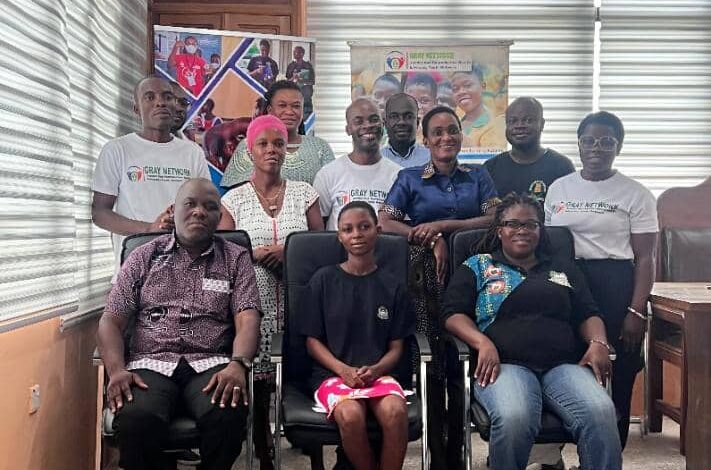
Some key government institutions in the South and Central Tongu districts have reaffirmed their commitment to sustaining the gains of strengthening Volunteer-Led Sexual and Reproductive Health and Rights (SRHR), Menstrual Hygiene Management (MHM), and Life Skills Education in Schools and Communities Project by signing Memoranda of Understanding (MoUs) with the Gender and Reproductive Health Advocacy Youth Network (GRAY Network).
The MoUs were signed during stakeholder dialogue meetings organised by GRAY Network to promote local ownership and ensure that the project’s achievements continue beyond the funding support of the STAR-Ghana Foundation.
The agreements establish a framework for institutional collaboration and outline the responsibilities of key stakeholders in
sustaining menstrual hygiene management, SRHR education, life skills education, and volunteer-led community initiatives.
To date, GRAY Network has signed MoUs with the Ghana Health Service (GHS) – South Tongu and Central Tongu District Health Directorates, the Ghana Education Service (GES) – South Tongu Municipal and Central Tongu District Education Directorates, and the National Commission for Civic Education (NCCE) – South Tongu District Office.
Through the signed agreements, the institutions have committed to integrating menstrual hygiene management and SRHR education into their routine programmes, strengthening School Health Clubs, supporting volunteer-led awareness campaigns and peer education, promoting positive attitudes towards menstruation, increasing male involvement, reducing menstrual stigma, and strengthening collaboration to improve the health, dignity, and educational outcomes of adolescent girls.
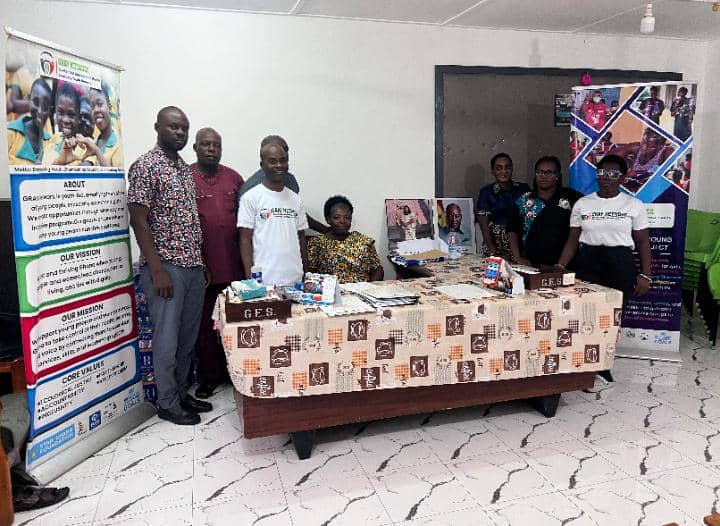
The institutions also pledged to continue working with teachers, health professionals, volunteers, peer educators, community leaders, and other stakeholders to ensure that the project’s interventions remain active and continue benefiting girls and their communities.
The signed MoUs represent a significant milestone in the project’s sustainability strategy, demonstrating the shared commitment of government institutions and community partners to institutionalise the gains achieved through volunteerism.
By embedding menstrual hygiene management, SRHR education, and life skills initiatives within existing government systems, stakeholders are laying a strong foundation for ensuring that girls continue to stay in school, learn with confidence, and thrive long after the project has ended.
Story by Kekeli K. Blamey